

The Day I Stopped Trying to Be the Perfect Mother
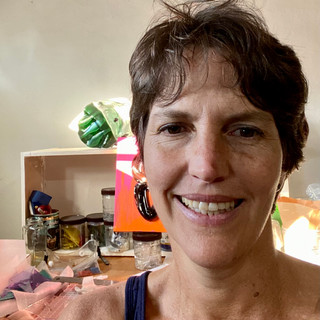

When I first became a mother, I was thrilled. I had dreamed about having children for years. In my mind, I pictured myself wearing flowing dresses while little hands tugged at the fabric, everyone smiling, everyone happy. I was sure I would avoid all the mistakes I thought my own parents had made.
Then my daughter was born.
Within weeks, I was overwhelmed.
Was I breastfeeding correctly?
Was she sleeping enough?
Was I feeding her the right way?
Every decision felt enormous. My perfectionism quietly turned into anxiety, and eventually into depression. It became clear that I needed more support, so we moved closer to family. Having people around me made a tremendous difference. But something else stayed with me.
The feeling that if my children struggled, somehow it meant I had failed.
Years later, after talking with hundreds of parents and coaching families, I've realized how common that feeling is. Most parents carry an invisible question:
"Am I doing this right?"
Some blame themselves for everything.
Others blame their teenager for everything.
I've discovered that reality is usually much kinder than either extreme.
Our children are individual people making their own decisions, just as we are.
That doesn't mean our influence isn't important. It absolutely is. But influence is different from control.
One of the biggest lessons coaching has taught me is that our role slowly shifts from directing our children to helping them learn to direct themselves.
Ironically, that often begins with us talking less. I remember the first time one of my children told me,
"Mom, you're being so annoying."
My reaction: I didn't laugh, I didn't pause, I defended myself.
The conversation quickly became an argument.
Today I hear those moments differently.
Sometimes what teenagers are really communicating is:
"Please trust me enough to let me think."
That doesn't mean we stop parenting. It means we become more curious.
Instead of immediately explaining, correcting, or reminding, we can ask.
"What do you think?"
"How are you planning to handle that?"
"What have you already considered?"
Those questions communicate something powerful:
"I believe you're capable."
Another unexpected gift came from my years as an artist.
During live drawing sessions, I spent hours simply observing people before drawing a single line. I learned to notice posture, expressions, and subtle movements.
That habit followed me into coaching.
I've watched teenagers arrive with rounded shoulders, quiet voices, and hesitant eye contact. Over time, as they gain confidence, their posture changes almost before their words do.
Confidence isn't only something you hear. It's something you can often see.
That reminds me that coaching isn't about changing who young people are.
It's about helping them uncover who they already are.
Looking back, I no longer wish I had been a perfect mother.
I'm grateful I became a curious one instead.
Because curiosity leaves room for growth—for our children and for ourselves.


Comments